Discover Comfort Year-Round: Discover Complete HVAC Systems and Services for Your Home
The importance of a reliable HVAC system cannot be overstated. It fulfills a key purpose in preserving a comfortable indoor environment throughout the year. Multiple choices are available, ranging from central air systems to ductless mini-splits. Each selection delivers unique benefits customized for different home needs. Grasping these systems and their benefits can greatly impact energy efficiency and comfort. Nevertheless, the decision-making process can be intricate, encouraging further exploration of what genuinely fits one's home.
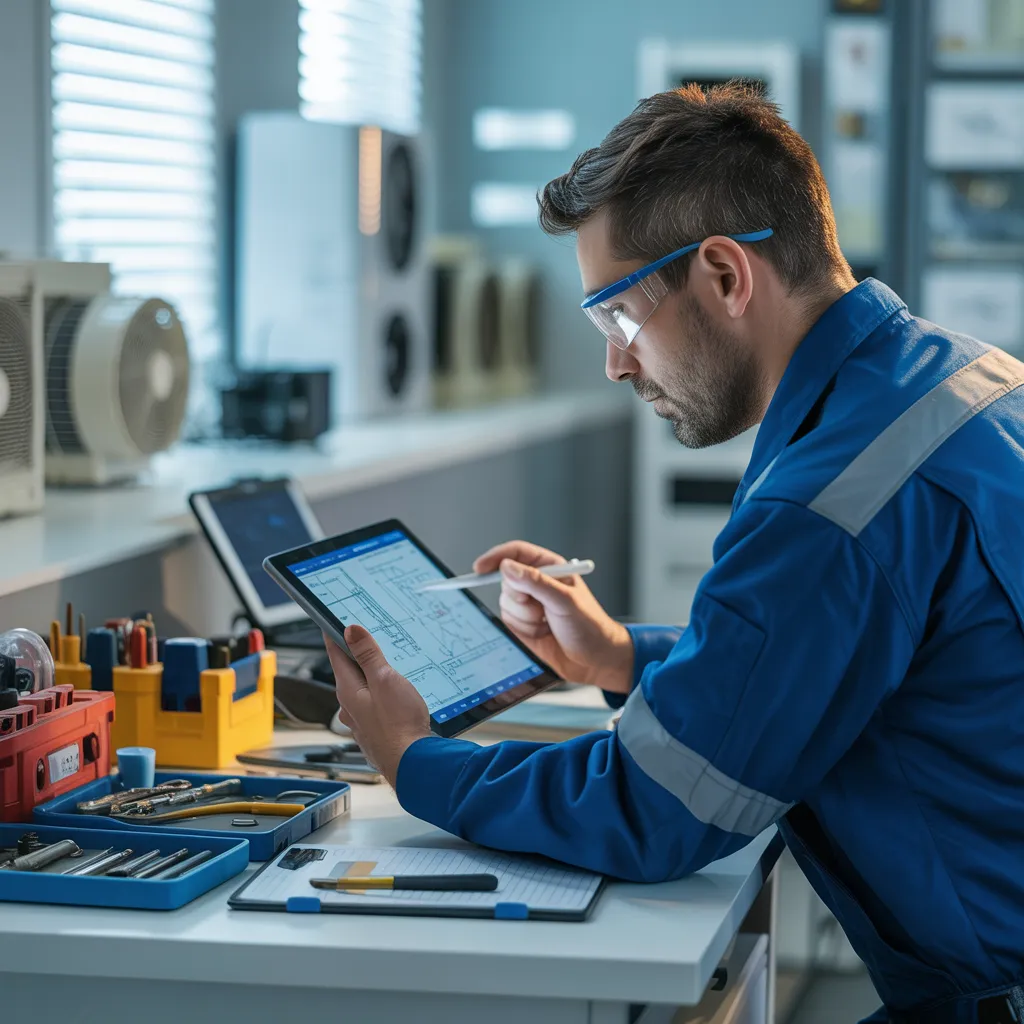
Understanding HVAC Systems: Varieties and Operation
Although numerous homeowners count on HVAC systems for all-year comfort, grasping the numerous types and their functionalities can substantially increase efficiency and performance. HVAC systems mainly consist of three categories: central air conditioning systems, ductless mini-split systems, and heating systems. Central air conditioning units circulate cooled air through ductwork, making them ideal for larger homes. Ductless mini-split systems supply flexibility by permitting homeowners to heat or cool individual rooms without the need for extensive ductwork, making them suitable for smaller spaces or retrofits. Heating systems, which can include furnaces, heat pumps, and boilers, are crucial for sustaining warmth during colder months. Each type runs on different principles, such as air circulation or radiant heating, influencing energy consumption and comfort levels. Understanding with these systems empowers homeowners to make informed decisions about installation, maintenance, and potential upgrades, eventually contributing to a more comfortable living environment.
Perks of Energy-Efficient HVAC Solutions
Energy-efficient HVAC systems provide a considerable advantage for homeowners looking to minimize their environmental impact while reducing utility costs. Energy-efficient HVAC systems can generate significant savings on monthly energy bills, as they use less electricity and perform more effectively than standard systems. These systems often utilize advanced technologies, such as variable-speed motors and enhanced insulation, to improve performance.
In addition, many energy-efficient HVAC solutions meet requirements for tax credits and rebates, additionally improving their monetary benefits. They promote greater home comfort by preserving stable temperatures and superior air quality, lowering humidity levels with greater efficiency. Also, these systems usually have a greater lifespan, resulting in fewer replacements and minimized waste. By selecting energy-efficient HVAC solutions, homeowners not only experience instant economic benefits but also promote long-term sustainability, generating a favorable influence on the environment while elevating their living spaces.
Why Professional Installation and Maintenance Matter
When home owners make an investment in HVAC systems, the quality of professional installation and ongoing maintenance can significantly impact overall performance and durability. Professional installation assures that the system operates at peak efficiency, reducing energy waste and reducing utility costs. Faulty installation can result in various issues, such as poor heating or cooling and increased wear on components, ultimately limiting the system's lifespan.
Consistent upkeep plays a crucial role in sustaining maximum performance. Expert technicians are able to detect possible issues before they worsen, assuring that the system runs smoothly year-round. Regular procedures, such as cleaning filters, monitoring coolant levels, and examining ductwork, help prevent costly repairs and enhance indoor air quality.
Smart HVAC Systems: Elevating Home Comfort
How does smart HVAC technology transform home comfort? This advanced technology optimizes heating, ventilation, and air conditioning systems, making them increasingly efficient and easier to use. Smart thermostats, for example, learn the schedules and preferences of homeowners, automatically adjusting temperatures for superior comfort while minimizing energy consumption. Advanced sensors track indoor conditions and air quality, providing real-time feedback and alerts for maintenance needs.
In addition, smart HVAC systems can be integrated with home automation systems, allowing users to control their environment remotely via smartphones or tablets. This level of control confirms that homes are always at the desired temperature upon arrival. Moreover, some systems feature zoning capabilities, permitting tailored climate control in different areas of the home, accommodating individual needs and elevating overall satisfaction. As a result, smart HVAC technology not only improves comfort review but also supports energy efficiency, producing potential cost savings on utility bills.

Tips for Choosing the Right HVAC System for Your Home
Choosing the right HVAC system for a home involves careful consideration of multiple factors to guarantee peak performance and comfort. Homeowners should first assess their specific heating and cooling requirements based on the size and layout of their space. Energy efficiency ratings, such as SEER and AFUE, are vital in determining long-term operational costs and environmental impact.
Additionally, local climate conditions play a significant role in the type of system best suited for the home. Homeowners should also consider their budget, not only for original installation but for continued maintenance and energy expenses.
Additionally, engaging a licensed HVAC professional can deliver valuable insights and recommendations adapted to individual circumstances. It's vital to research reputable brands and warranty options to ensure reliability and support. By carefully examining these factors, homeowners can identify an HVAC system that boosts comfort and efficiency year-round.
FAQ
What Should You Expect to Pay for HVAC System Installation?
Standard pricing associated with HVAC system installation usually fall from $3,000 to $7,000, depending on the type of system, property size, and additional features. Labor and installation complexity may additionally impact total expenses significantly.
How Many Years Can You Expect an HVAC System to Last Before Requiring Replacement?
HVAC systems generally last between 15-25 years, depending on factors such as proper maintenance, frequency of use, and installation quality. Regular upkeep can extend their longevity, guaranteeing top performance and efficiency over their lifetime.
How Can I Tell If My HVAC System Needs Repair?
Symptoms suggesting an HVAC system necessitates repair include strange noises, uneven temperatures, growing energy bills, odd odors, and repeated cycling. Timely attention to these signs can avert further damage and secure maximum system performance.
Are There Government Incentives for Switching to Energy-Efficient HVAC Systems?
Yes, many government incentives exist for upgrading to energy-efficient HVAC systems. These incentives often include grants, rebates, and tax credits designed to encourage energy efficiency, subsequently prompting homeowners to choose green solutions.
Is Financing Available for My HVAC Installation or Upgrade Costs?
Yes, many HVAC businesses make available financing plans for installation or upgrade costs. These arrangements generally include low-interest loans or flexible payment arrangements, making it more affordable for homeowners to invest in efficient heating and cooling units.